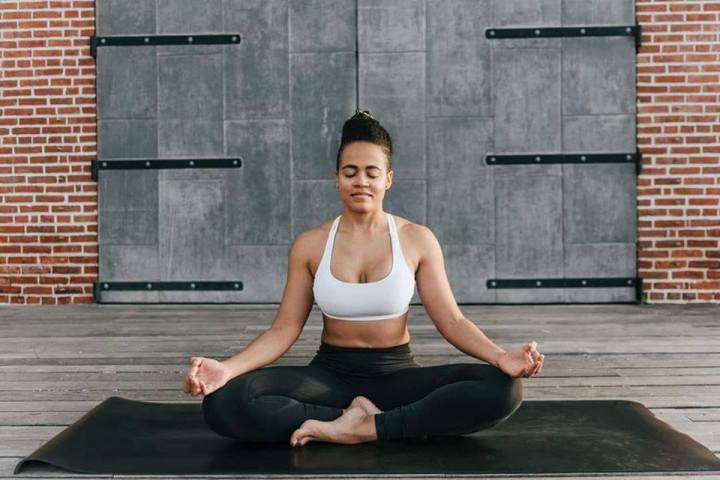
We breathe in, and we breathe out. If we look closely, there is a break in between the two. That rest or space between allows us to recognize where one thing ends, and another thing begins. Our breath has a rhythm. Music has its rhythm also, and could not exist without the spaces in between. The rests add drama and draw attention to the next note. In our communication, the pauses allow us to listen deeply, fully present with each other, responding rather than reacting. There is value in the silent pause. In learning, our brains also need time to integrate concepts making them our own. Depth of understanding requires time. The rhythm of rest and activity is essential for physical and emotional well being as well our relationships with others.
Moms will easily relate to the infant cycling through patterns of waking and sleeping. Sleep is necessary in this dance. I was happier and more responsive when I rested during their naps. Errands with my toddler and infant were reminders of time and the rhythm of these cycles. The adventure to the grocery store unfolded, and in aisle 3, the polite, subtle cues emerged from my newborn son that he would soon be hungry. I increased my speed through the aisles as he raised the volume of his signals to me. Exasperated in the checkout, we both needed to pause. My toddler had her rhythms as well, happy, grumpy, then might fall apart in a tantrum in aisle 8. Eventually, young ones will rest when they need to with the uncanny ability to fall asleep anywhere. I believe that they are often more in touch with their sensations and rhythm than we are. We tune in to their needs, but frequently power through ignoring our own needs.
Studies with young learners have shown that naps help young children transform short-term learning into long term stored memory. Any sleep-deprived Mom knows that the brain fog can set in and create challenges remembering and responding with her whole self on an empty tank. We know well-rested kids do better in school, and well-rested adults are healthier in life—pauses matter.
As modern society speeds up, we have less spaces in between, less pauses. In the last 200 hundred years, exponential changes have emerged in how we live. The average for how far people traveled in their lifetime was 50 miles then, and they may have had only one notable change to the way they did their work. The inventions of automobiles, planes, computers, and cell phones have changed how we travel, work, and nearly every facet of human life in our developed world. In 2007, a significant shift occurred with more people living in urban rather than rural areas. In the 1970s, Sesame Street found that babies pay attention longer if the letter on-screen vibrated every few seconds. Marketing research and algorithms use neuroscience to keep us tuned in, and it seems to take us further from our natural rhythms. 24/7 news cycles never rest or encourage the pause, so it is up to us to create them.
Teenagers have news of our world at their fingertips. I feel a responsibility to be informed so that I can respond with thoughtful conversations about current events. I frequently tune in briefly to news sources that slow things down and go more in-depth with the context of the beginning, middle, and end, but then choose to retreat. Living purposefully in the information age is a challenge for our times. I believe we are evolutionarily wired to process the joys and sorrows of a village, where community members celebrate together, offer hugs and practical help in a time of need. Children younger and younger hear the problems of the world where the negative is much louder than the positive. They can feel powerless. Developmentally speaking, they are not ready to process the multitude of world problems. Evolutionarily speaking, I am uncertain that any of us are. It seems wise to delay placing the screens in their hands as long as we feel possible, and then building in the pauses. One day our teens will be making decisions of self-governance with a strong pull from the digital world. So feeling a way of being in the world without screens feels essential.
And sleep…can we say enough about that? We all know it is good for us, but our minds can be quite busy at bedtime. Lists of things to do or worries run through our minds, sometimes looping from one to the next. Pauses matter for our minds and bodies too. I believe we ignore the whispers of our bodies, sometimes until they get louder and louder, not unlike the infant in the grocery store. Is it the backaches and pains, tension, headaches, or illness that demands our attention? It’s not unlike the toddler who tantrums in the store to get what he/she needs. Quieting ourselves to listen well to our bodies allows us to hear and respond to the whispers.
Then there are the great rewards of the sweet stuff of pausing. Deep listening, reflection, and creativity grows from that space in between. Boredom can often lead to something delightful. When we give the great gift of our presence and deep listening, it strengthens the bonds between us and the feelings of worthiness people who feel valued.
I invite you to look for the pauses, and maybe to see them as precious gifts in modern life. I highly encourage you to stow your phone on silent. Your loves might appreciate what you do with the space in between. I invite you to see sleep as not worth shortchanging. Maybe a walk in nature, the cup of tea, the noticing of your breath, and perhaps making your way to a yoga or Feldenkrais mat. The pause can be a delight, allowing life to move with a rhythm that feels good to you.
 Mindful Play in Motion, LLC