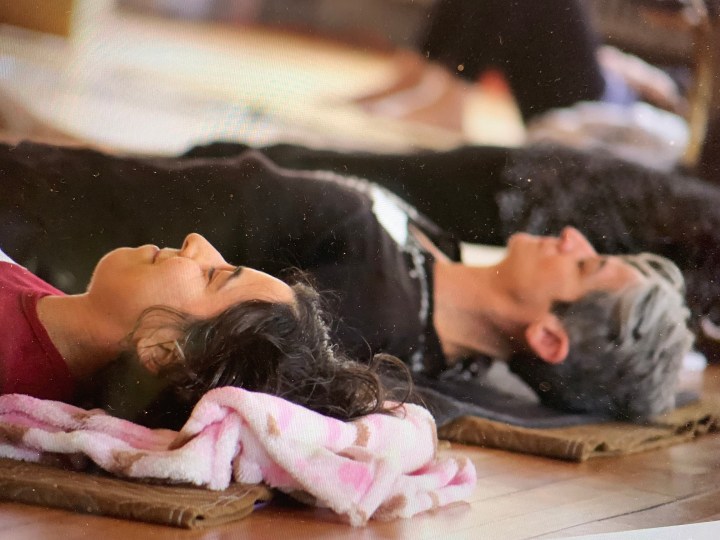
REDUCE TENSION TO FIND EASE IN BODY & MIND
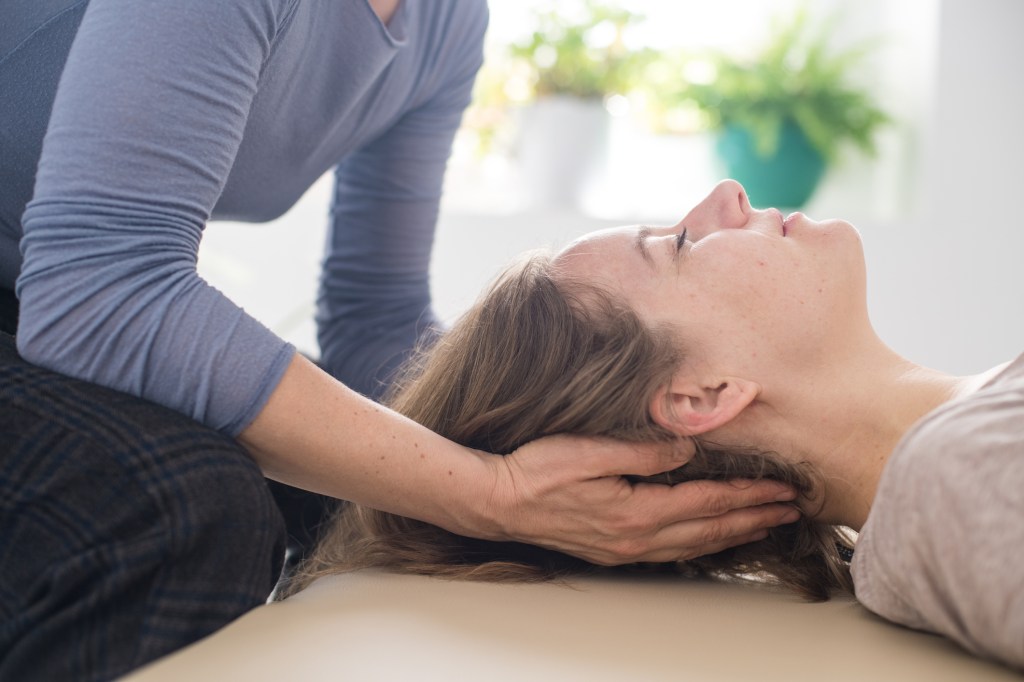
REDUCE PAIN, RECOVER FROM INJURY, OR BUILD COORDINATED FUNCTION
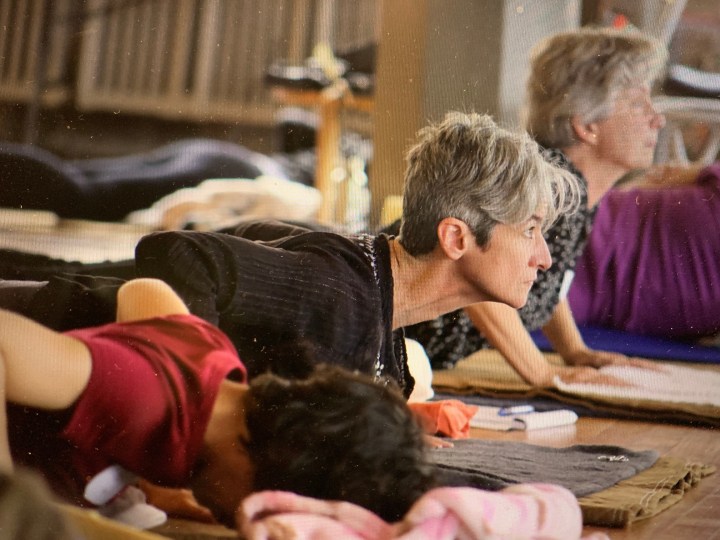
AGE WELL WITH MORE FLEXIBILITY & VITALITY
“Nothing is permanent about our behaviors except the belief that they are so.”
Moshe Feldenkrais
GROUP CLASSES
Awareness Through Movement lessons verbally guide a learner through a series of small movements. Focusing inward and doing less, students tune in with awareness. This invites one to notice and release tensions and unnecessary effort created by habitual patterns. The slow, gentle movements allow the nervous system feel safe without a need to hold or protect. The brain builds new connections, learns new options for functional movement, and ways of being in the world with ease.
ONE ON ONE SESSIONS
Functional Integration is a hands-on approach with a practitioner. A person who is challenged by pain, discomfort, recovery from injury, neurological, or developmental delays may benefit from one-on-one interaction. The practitioner’s gentle, respectful hands can help the student discover habitual body patterns, recognize possibilities for reducing tension. and find ease in functional movements.
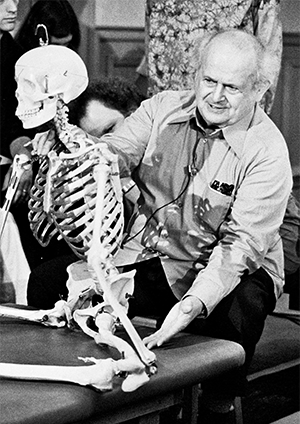
MOSHE AND THE FELDENKRAIS METHOD
Moshe Feldenkrais was a physicist, engineer, and Judo master. In a quest to heal his knee and regain his ability to walk, he applied his understanding of physics to anatomy and infant motor development. Eastern philosophy, educational philosophy, and psychology were also relevant topics of study. Moshe recognized the body and mind as inseparable. He believed the brain’s ability to notice small differences is the key player in learning to move with less pain, ease, and even elegance.
Moshe respected the wisdom in the young child’s approach to learning as a process. He believed in the power of curiosity and the potential in each individual to find new options, vitality, and freedom in movement and life. The current findings in neuroscience support the wisdom of his work and philosophy.
“The Feldenkrais Method is the most sophisticated and effective method I have seen for the prevention and reversal of deterioration and function.”
Margaret Mead, Ph.D., Anthropologist
“I have been intrigued by this subtle form of retraining the nervous system, which I recommend to patients whose movement has been restricted by injury, cerebral palsy, stroke, fibromyalgia, or chronic pain. I find it to be much more useful than standard physical therapy. I also believe that the Feldenkrais Method® can help older people achieve greater range of motion and flexibility, and help all of us feel more comfortable in our bodies.”
Andrew Weil, M.D. Author of Spontaneous healing and Natural Health, Natural Medicine
BOOKS WRITTEN BY MOSHE FELDENKRAIS
- Awareness Through Movement
- The Elusive Obvious
- The Potent Self
THE FELDENKRAIS METHOD IN THE NEWS
- New York Times (January 2021)
- New York Times (October 2017)
- Washington Post (November 2018)
MY FELDENKRAIS STORY
I had eye surgery as a child for an interesting eye pattern. My left eye was lazy and liked to turn out to the side, so my brain helped out by suppressing the image. Years later, I felt more discomfort with my back, and I found Yoga and chiropractic visits helpful. Then I met a Feldenkrais provider who made the connection between my eyes and my back. It was a light bulb moment and a first glimpse into the insightful depths of the Feldenkrais Method.
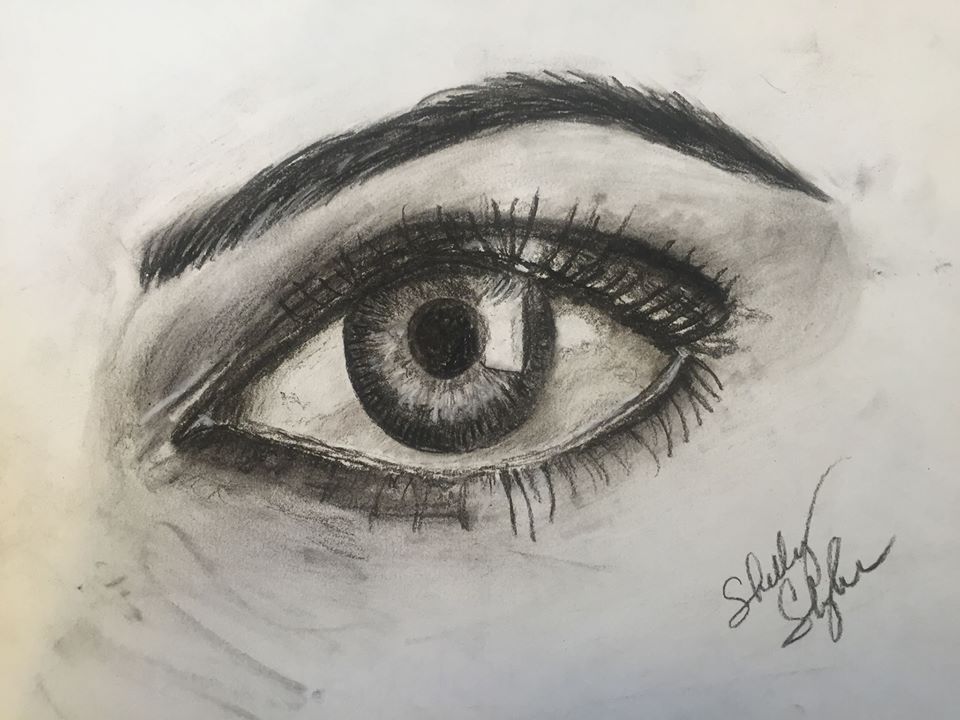
Moshe recognized that the eye muscles are often the first to engage. We look first, then move to engage with our world. If the eyes are unorganized, then it’s likely that the carriage of the head and neck are affected. We all know the skull connects with the spine. Interesting, right? We all have habits that serve us and some that could improve our options and comfort. Both vision therapy and Feldenkrais were instrumental in my growth. I changed the way I see, my ease of movement, and my beliefs about what is possible.
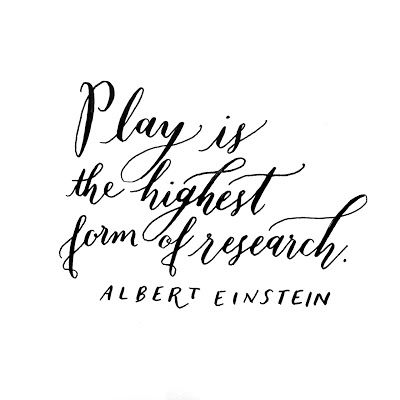
Are you curious? Step into the Awareness Through Movement Lesson Library to play.
 Mindful Play in Motion, LLC